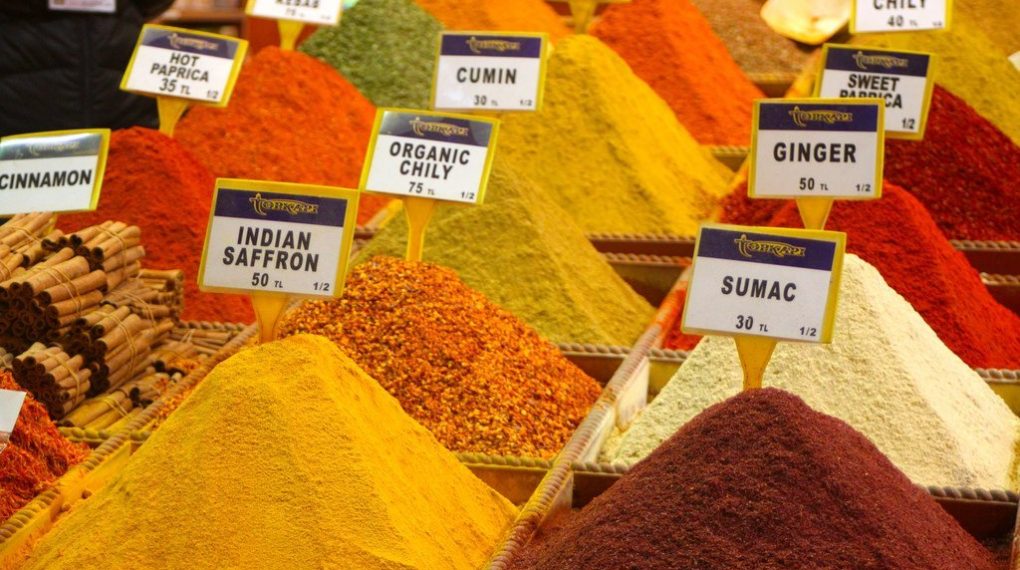
India is the world’s largest producer, consumer, and exporter of spices — and yet most of the market is still dominated by unbranded, loose spices sold without quality control or proper packaging. That is the opportunity.
Consumers in 2026 are rapidly shifting from loose spices to packaged, branded masalas because of food safety awareness, convenience, and trust. The domestic spice market is estimated at ₹2.2 lakh crore ($26 billion) and growing at over 10% annually. The organised spice market is expanding at 10–12% per year, with blended masalas growing faster than single spices due to the convenience and consistency they offer.
This is one of the most accessible manufacturing businesses in India — low investment, raw materials available across the country, and a buyer (every kitchen, restaurant, and food brand) that will never disappear.
In this guide, we cover everything: investment breakdown, machinery, step-by-step process, FSSAI licensing, profit calculation, where to sell, and top raw material suppliers.
📊 QUICK FEASIBILITY SNAPSHOT: Spices & Masala Manufacturing Business
- Minimum Space: 800 – 1500 Sq. Ft. (Commercial/Industrial Shed)
- Required Capital: ₹1 Lakh (Micro) to ₹30 Lakhs (Mid-Scale Unit)
- Expected Gross Margin: 20% – 60%
- Mandatory Licenses: Udyam MSME, GST Registration
Applying for a Bank Loan under MUDRA, PMEGP, or CGTMSE?
Get a tailored project profile and financial projections built for your setup.
Jump to:
Market opportunity · Types of spice businesses · Investment breakdown · Machinery · Raw materials & sourcing · Step-by-step process · Licenses · Profit calculation · Where to sell · Top suppliers · FAQ
Why Spices & Masala Is One of the Best Manufacturing Businesses in 2026
- Permanent, daily demand. Every kitchen in India — home, restaurant, hotel, cloud kitchen — buys spices every week without exception. This is not seasonal demand.
- Consumer shift to packaged products. Consumers now prefer branded packaged masala products because of food safety concerns about adulteration and hygiene. This shift is generating a huge opportunity for new spice brands and MSME food processing startups.
- The export market is booming. India’s global spice market is growing at an estimated 5.0% CAGR, from roughly USD 19.08 billion in 2025 toward USD 29.60 billion by 2034 — figures worth confirming against a current market report before quoting them elsewhere. The USA, UAE, UK, and European markets buy Indian spices in bulk, and the India-New Zealand FTA — signed in April 2026, pending ratification in both countries — is expected to open new Pacific markets once it enters into force.
- Quick commerce is a new buyer. Apps like Blinkit, Zepto, and Swiggy Instamart need local masala suppliers to stock regional specialities that large national brands do not carry.
- Low competition at the regional level. National brands (MDH, Everest, Tata) dominate shelf space in metros, but regional masala brands — Chettinad blends, Rajasthani laal maas masala, Bengali paanch phoron — win on authenticity and price in their home markets.
Types of Spice Businesses: Which One to Start?
Type | What you do | Investment | Profit margin | Best for |
|---|---|---|---|---|
Single spice grinding | Buy whole spices, clean, dry, grind, and pack as single spices (chilli powder, turmeric, coriander) | ₹1 – 5 lakh | 20–30% | First-time, low investment, local supply |
Blended masala manufacturing | Grind and blend multiple spices in fixed ratios — garam masala, biryani masala, chole masala, etc. | ₹3 – 12 lakh | 35–50% | Branded product, repeat buyers, D2C |
Private label/contract manufacturing | Manufacture masala blends for other brands who sell under their own label | ₹8 – 20 lakh | 25–35% | B2B, steady volume, no branding effort needed |
Organic / premium masala | Source certified organic spices, produce residue-free blends for health-conscious buyers and export | ₹5 – 15 lakh | 40–60% | D2C, export, premium retail |
Spice oleoresins & extracts | Produce concentrated spice extracts used in food processing and pharma | ₹50 lakh+ | 25–40% | Industrial B2B, export |
Recommendation for first-time entrepreneurs: Start with blended masala manufacturing. It has better margins than single spice grinding, builds brand loyalty, and is the fastest-growing segment. Start with 3–5 popular blends (garam masala, biryani masala, chaat masala, sambar powder, pav bhaji masala) and expand based on what sells.
Investment Breakdown: How Much Does It Cost?
Scale | Total Investment | Capacity | Best for |
|---|---|---|---|
Home-based/micro | ₹1 – 3 lakh | 20–50 kg/day | Local supply, D2C, testing market |
Small commercial unit | ₹5 – 12 lakh | 100–300 kg/day | Local retail, restaurant supply, ONDC/Amazon |
Mid-scale unit | ₹15 – 30 lakh | 500 kg – 2 tonne/day | Regional wholesale, institutional, export |
Detailed cost breakdown (small commercial unit — ₹8–12 lakh)
Item | Estimated Cost |
|---|---|
Spice pulveriser/grinder (50–100 kg/hr) | ₹80,000 – 1.5 lakh |
Blender/mixer | ₹40,000 – 80,000 |
Sieving machine | ₹20,000 – 40,000 |
Cleaning & destoning machine | ₹30,000 – 60,000 |
Semi-automatic packaging & sealing machine | ₹80,000 – 1.5 lakh |
Digital weighing scale, moisture meter | ₹15,000 – 25,000 |
Workspace rent + fit-out (500–800 sq ft, 3 months) | ₹40,000 – 80,000 |
Initial raw spice stock (1 month) | ₹1 – 1.5 lakh |
Packaging material (pouches, labels, cartons) | ₹30,000 – 60,000 |
FSSAI + GST + Udyam registration | ₹10,000 – 20,000 |
Branding (logo, label design) | ₹15,000 – 30,000 |
Working capital buffer | ₹50,000 – 1 lakh |
Total | ₹5 – 10 lakh |
Spices Plant Cost & ROI Estimator
Estimate initial capital investment, monthly operating costs, and payback timeline for a spice processing business in India.
Est. Total CapEx
₹0 Lakhs
Monthly Net Profit
₹0k
Initial Investment (CapEx) Breakdown
Monthly Operating (OpEx) Breakdown
Machinery: What You Need and What to Pay
Machine | Purpose | Price range |
|---|---|---|
Spice pulveriser/grinder | Grinds whole dried spices into powder | ₹50,000 – 2.5 lakh |
Spice blender/mixer | Mixes multiple ground spices in fixed ratios | ₹30,000 – 1 lakh |
Sieving machine | Ensures uniform powder texture, removes coarse particles | ₹15,000 – 50,000 |
Cleaning & destoning machine | Removes dust, stones, and impurities from whole spices | ₹25,000 – 80,000 |
Roasting machine (optional) | Roasting spices before grinding enhances aroma and flavour | ₹20,000 – 60,000 |
Packaging & sealing machine | Fills pouches/packets and heat-seals them | ₹50,000 – 2 lakh |
Metal detector (recommended) | Detects metal contamination before packaging — required by most institutional buyers | ₹30,000 – 80,000 |
Key advice: Buy stainless steel machines only — they are durable, hygienic, and mandatory for FSSAI compliance. Avoid MS (mild steel) machines even if they are cheaper. Get quotes from at least 3 suppliers and ask for a demo before paying any advance.
2026 technology note: Modern production in 2026 is incorporating cryogenic grinding technology, where liquid nitrogen maintains very low temperatures during grinding to preserve the essential oils and authentic flavours of spices — a major quality advantage over traditional grinding that destroys volatile aromas through heat. This is worth considering once you scale, as it commands premium pricing.
Machinery: What You Need and What to Pay For: A detailed breakdown of what drives price within each range — capacity, stainless steel vs. mild steel, automation level, new vs. used — see our dedicated guide: Spice Grinding Machine Price in India.
Raw Materials: What to Buy and Where to Source
Spice | Top sourcing states | Wholesale price (2026 approx.) |
|---|---|---|
Red chilli | Andhra Pradesh, Rajasthan, Telangana | ₹130 – 200/kg |
Turmeric | Telangana, Odisha, Tamil Nadu | ₹100 – 160/kg |
Cumin (jeera) | Rajasthan, Gujarat | ₹250 – 400/kg |
Coriander (dhania) | Rajasthan, Madhya Pradesh | ₹80 – 130/kg |
Garam masala ingredients (mix) | Multiple states, best from Kerala, Gujarat | ₹200 – 600/kg (varies by spice) |
Cardamom | Kerala, Karnataka | ₹1,200 – 2,500/kg |
Black pepper | Kerala, Karnataka | ₹450 – 700/kg |
Fenugreek (methi) | Rajasthan, Gujarat, Madhya Pradesh | ₹60 – 100/kg |
Where to buy:
- Local mandis (wholesale spice markets) — Best starting point for any city. Prices are 15–25% lower than retail. Build direct relationships with 2–3 traders.
- Direct from farmers — Once you have volume (500+ kg/month per spice), contact farmer producer organisations (FPOs) in sourcing states. Prices are 20–30% better than mandi rates.
- Khari Baoli, Delhi — Asia’s largest spice market. Ideal for sourcing a wide variety in one location.
- Erode (Tamil Nadu) — India’s largest turmeric market.
- Unjha (Gujarat) — India’s largest cumin (jeera) market.
Quality check basics before buying: Check colour intensity (avoid pale, sun-bleached spices), aroma (strong = fresh), moisture content (below 10% for grinding), and adulteration (grind a small sample and check for artificial colour, chalk powder, or sawdust).
Step-by-Step: How to Start Your Masala Business
Step 1 — Choose your product range (Week 1)
Start with 3–5 masala blends that have consistent, high-volume demand in your target market. Good starting blends: garam masala, biryani masala, chaat masala, sambar powder, and a regional speciality blend from your state. Do not start with 20 products — master 5 first.
Step 2 — Develop and test your recipes (Week 1–2)
The blend ratio (what percentage of each spice) is your product’s identity. Develop your blends in small batches of 1–2 kg, cook with them yourself, and do a blind taste test with at least 10 people. Your recipe is your competitive advantage — keep it documented and confidential.
Step 3 — Register your business (Week 2–3)
Get Udyam registration first (free, 30 minutes at udyamregistration.gov.in). Then apply for an FSSAI license — this is mandatory for any food business. Apply online at foscos.fssai.gov.in. Finally, get GST registration.
Step 4 — Set up your production space (Week 3–4)
Your workspace must be clean, pest-free, and have proper ventilation (spice dust is an irritant). Walls should be smooth and washable — FSSAI inspectors check for this. Separate areas for raw material storage, grinding/blending, and finished goods are required. A 300–500 sq ft space is sufficient to start.
Step 5 — Buy machinery (Week 3–5)
Buy a stainless steel grinder, blender, sieving machine, and packaging machine. Get all machines installed and do trial runs before buying your main raw material stock. Run at least 5 trial batches to get your process consistent before selling to buyers.
Step 6 — Design your packaging and labels (Week 4–5)
Packaging is critical in the masala business — it is the first thing a buyer sees. Invest in professional label design (₹5,000–15,000 via Fiverr or a local designer). Your label must include: brand name, product name, net weight, ingredient list, FSSAI license number, manufacturing date, expiry date, and nutritional information. This is legally mandatory under FSSAI regulations.
Step 7 — Source raw materials and produce first batch (Week 5–6)
Source whole spices from your local mandi. Clean, dry (if needed), roast (optional), grind, blend, sieve, and pack. Weigh every batch consistently. Label every packet correctly. Quality control at this stage determines whether customers reorder.
Step 8 — Start selling (Week 6–8)
Visit local kirana stores, supermarkets, and restaurants with free samples. List on Amazon, Flipkart, and ONDC. Set up a WhatsApp Business profile and send your product catalogue to your contacts. Cold calling is more effective than social media for initial B2B sales — visit 10 buyers per day with samples.
Read: Top Small-Scale Manufacturing Business Ideas in India
Licenses and Registrations Required
License / Registration | Where to apply | Approx. cost | Notes |
|---|---|---|---|
FSSAI License (mandatory) | ₹2,000 – 7,500/year | Basic (Form A) for turnover <₹12L; State license for ₹12L–20Cr | |
Udyam (MSME) Registration | udyamregistration.gov.in | Free | Apply first — needed for subsidies and bank loans |
GST Registration | gst.gov.in | Free (agent ₹1,000–2,000) | Most spices are taxed at 5% GST; blended masalas at 5% |
Trade License | Local municipal corporation | ₹500 – 3,000/year | Required for commercial premises |
Spices Board Registration | indianspices.com | ₹2,500 – 5,000 | Required only if exporting spices |
IEC (Import Export Code) | dgft.gov.in | ₹500 | Required only if exporting |
AGMARK Certification (optional) | agmark.in | ₹5,000 – 15,000 | Quality certification — boosts credibility for institutional buyers |
Important: GST on spices in India varies by product classification and is subject to periodic rate revisions. Don’t rely on a fixed percentage when pricing your product — confirm the exact current GST rate for your specific HSN code with a CA or directly on the GST portal (gst.gov.in) before finalising your pricing or filing your first return.
Rate varies by product classification and changes periodically — confirm the current rate on gst.gov.in or with a CA
Profit Calculation: What Can You Actually Earn?
Small blended masala unit — monthly estimate
Item | Monthly figures |
|---|---|
Production (25 days × 100 kg/day) | 2,500 kg masala |
Average selling price (branded, wholesale) | ₹220/kg |
Gross revenue | ₹5,50,000 |
Raw spice cost (avg ₹120/kg whole spice, ~1.3 kg per kg masala) | ₹1,95,000 |
Packaging (pouches, labels, cartons) | ₹35,000 |
Labour (2 workers × ₹14,000) | ₹28,000 |
Electricity & utilities | ₹12,000 |
Rent (400 sq ft) | ₹10,000 |
Transport & distribution | ₹15,000 |
Misc (maintenance, consumables) | ₹10,000 |
Total operating cost | ₹3,05,000 |
Monthly net profit | ₹2,45,000 (~45%) |
Break-even: A well-managed masala unit typically breaks even in 12–18 months, with a relatively short payback period compared to other food processing businesses.
Premium segment multiplier: If you target the organic/premium segment, the selling price can rise to ₹400–800/kg while raw material cost increases only moderately — pushing margins to 50–60%.
Where to Sell Your Masala
Local channels (start here — month 1)
- Kirana stores and supermarkets — Visit 20–30 stores in your city with samples. Offer to place 5 packets on consignment initially to prove sell-through. Once they sell, you get a regular order.
- Restaurants and cloud kitchens — Restaurants use 5–20 kg of masala per month. One good restaurant client = ₹1,000–4,000 per month in recurring revenue. Target restaurants that serve your regional cuisine.
- Tiffin services and caterers — Caterers who cook for 100+ people daily buy masala in bulk. One catering client can be worth 50+ retail clients.
Online channels (month 2–3)
- Amazon and Flipkart — Register as a seller. Masala is a high-repeat-purchase product — good reviews build compounding sales over time. Invest in quality product photography.
- ONDC (Open Network for Digital Commerce) — India’s open e-commerce network is a strong channel for regional food brands in 2026 with lower commission than Amazon.
- Instagram and WhatsApp — Share your process (grinding, blending, packaging) as short videos. Regional masala brands with authentic stories are winning on Instagram in 2026.
- Meesho — Good for selling masala directly to Tier 2–3 city consumers at lower price points.
Institutional and export channels (month 4+)
- GeM portal — Government hospitals, schools, defence canteens, and offices procure food products including masala through GeM. Register at gem.gov.in.
- Export via APEDA — Register with APEDA (apeda.gov.in) to access export incentives and connect with international buyers. Key export markets: UAE, USA, UK, Canada, Singapore.
- Private label for established brands — Many D2C food brands outsource their manufacturing. Approach them once your production is consistent and licensed.
Top Raw Material & Packaging Suppliers
Raw spice sourcing (mandis and wholesale markets)
Market / Supplier type | Location | Best for sourcing |
|---|---|---|
Khari Baoli Spice Market | Old Delhi | Full range of whole spices; Asia’s largest spice market |
Erode Agricultural Market | Erode, Tamil Nadu | Turmeric — India’s largest turmeric market |
Unjha APMC Market | Unjha, Gujarat | Cumin (jeera) — India’s largest cumin market |
Guntur Mirchi Yard | Guntur, Andhra Pradesh | Red chilli — India’s largest chilli market |
Sangli Market | Sangli, Maharashtra | Turmeric; direct farmer access |
Local mandi in your city | Any state | Starting point for small orders; build relationships here first |
Packaging material suppliers
What you need | Where to source | Approx. cost |
|---|---|---|
Laminated stand-up pouches | Packaging suppliers in Mumbai, Ahmedabad, Delhi | ₹2 – 8 per pouch (varies by size) |
Custom printed labels | Local label printers; IndiaMart | ₹0.50 – 2 per label |
Printed packaging boxes | Corrugated box manufacturers | ₹8 – 25 per box |
Nitrogen flushing service | Packaging machine suppliers | ₹30,000 – 80,000 for machine |
Looking for spice suppliers?
Browse our directory of raw spice, packaging, and machinery suppliers across India — filterable by category and location.
Common Mistakes to Avoid
- Starting without an FSSAI license. Selling packaged masala without FSSAI can result in product seizure and fines. Apply for FSSAI before making your first sale — not after.
- Launching too many products at once. Start with 3–5 blends and master them before expanding. Too many SKUs in the beginning means inconsistent quality and inventory chaos.
- Using cheap packaging. Masala in thin, flimsy pouches loses aroma within weeks. Invest in proper laminated, airtight packaging from day one — it directly affects shelf life and customer reorders.
- Buying raw spice in bulk before testing its quality. Always buy a small test batch (5–10 kg), grind it, smell it, cook with it, and check for adulteration before committing to a 100 kg+ order from a new supplier.
- Skipping moisture testing. High-moisture spices spoil quickly and clog grinding machines. Always check moisture content — below 10% for safe grinding and storage.
- Not having a fixed recipe. Without a documented, weighed recipe, every batch tastes different. Customers will not reorder if the taste varies. Standardise your blend ratios before scaling.
Conclusion: Is a Masala Business Worth Starting in 2026?
Absolutely — if you are willing to be obsessive about two things: recipe consistency and packaging quality. These two factors determine whether customers reorder, and reorders are what make this business profitable.
The masala market in India is large, permanent, and growing. National brands have the metro shelf space — but regional authenticity, clean ingredients, and D2C distribution are where small manufacturers are winning in 2026. The investment is accessible, raw materials are available everywhere, and the government actively supports food processing MSMEs with subsidies and loans.
Start with 3–5 blends, get your FSSAI license, and visit 10 buyers personally with samples. The market will reward consistent quality faster than any advertising spend.
Frequently Asked Questions
How much investment is needed to start a masala manufacturing business in India?
A home-based or micro masala unit can be started with ₹1–3 lakh. A small commercial unit with grinding, blending, and packaging machinery costs ₹5–12 lakh. A mid-scale unit targeting wholesale and export requires ₹15–30 lakh.
What license is required to start a spice or masala business in India?
FSSAI license is mandatory for all food businesses, including, spice grinding and masala manufacturing. You also need GST registration and Udyam (MSME) registration. If exporting, you need the Spices Board of India registration and an IEC (Import Export Code) from DGFT.
What is the profit margin in masala manufacturing?
Single-spice grinding yields 20–30% margins. Blended masalas give 35–50% margins. Premium organic or export-oriented masalas can yield 40–60% margins. Blended masalas are the most profitable segment due to branding and repeat-purchase loyalty.
Where can I source raw spices for my masala business?
Buy red chilli from Andhra Pradesh and Rajasthan, turmeric from Telangana and Odisha, cumin from Rajasthan and Gujarat, coriander from Rajasthan and Madhya Pradesh, and cardamom from Kerala. Local mandis (wholesale spice markets) are the best starting point. Buy directly from farmers once your volume grows.
Can I start a masala business from home in India?
Yes. FSSAI allows home-based food businesses under its basic registration (Form A) for turnover below ₹12 lakh per year. You need a clean, pest-free workspace and proper airtight packaging. Many successful masala brands started from home kitchens in India.

Rupak Chakrabarty is the Founder and Lead Business Coach at MUVSI. With over two decades of experience in entrepreneurship, marketing, and business consulting, he helps aspiring entrepreneurs and MSMEs build profitable, market-driven businesses. His expertise includes business planning, B2B marketing, customer acquisition, and digital growth strategies.