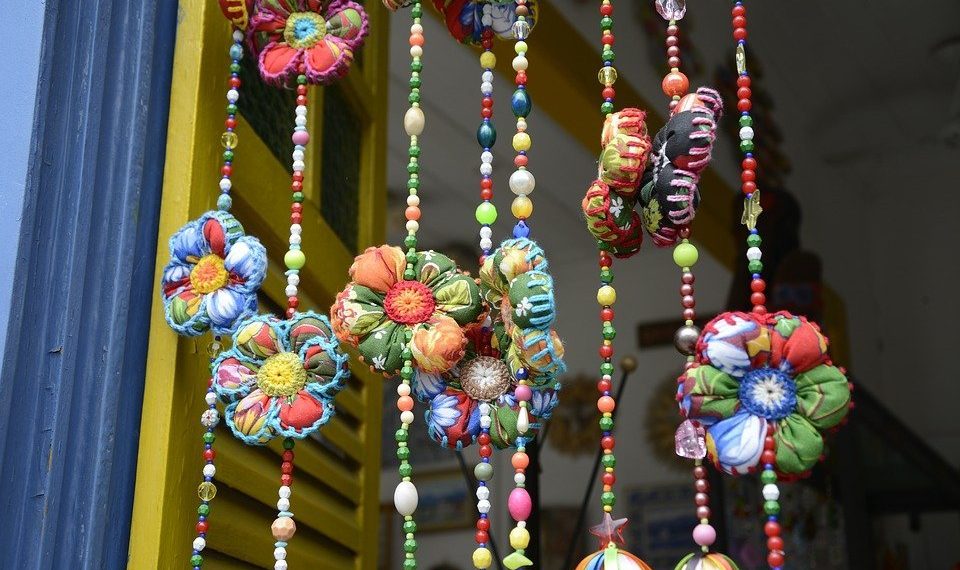
India’s traditional art, craft, and handicraft sectors are undergoing a massive transition from unorganised home-based hobbies to structured, semi-automated industrial manufacturing. Driven by rising domestic demand for sustainable home decor, corporate gifting, and expanding global exports, the craft sector offers high profit margins for entrepreneurs.
Whether you are a micro-entrepreneur, a regional manufacturer, or seeking bank finance under schemes like PMEGP (Prime Minister’s Employment Generation Programme) or MUDRA, this guide details 15 bankable art and craft business ideas categorised by raw material stream and production scale.
Applying for a Bank Loan under MUDRA, PMEGP, or CGTMSE? Get a tailored project profile and financial projections built for your setup.
Category 1: Sustainable & Eco-Friendly Art and Craft Business Ideas
1. Jute Bag & Textile Utility Manufacturing
With strict bans on single-use plastics, automated jute bag production has transformed into a high-demand B2B supply chain business. Manufacturing units produce eco-friendly shopping bags, promotional totes, and decorative gift bags for retail chains and export houses.
- Production Scale & Capacity: Small-Scale Commercial Plant (500–1,500 bags/day).
- Required Machinery & Equipment: Heavy-duty industrial sewing machines, fabric cutting tables, flexo printing units, eyelet setting tools, and strap attachment presses.
- Raw Material Sourcing: Laminated jute fabric rolls, cotton webbing handles, printing inks, and industrial thread (sourced from jute mills in West Bengal or regional textile hubs).
- Estimated Capital Investment: ₹3.5 Lakhs – ₹8 Lakhs (Gross Profit Margin: 20% – 30%).
- Applicable Government Subsidies: PMEGP (up to 35% margin money subsidy in rural areas), National Jute Board incentives.
- Statutory Clearances: Udyam MSME Registration, GST Registration, Municipal Trade License.
2. Areca Leaf Cutlery & Moulded Utensil Unit
Utilising fallen Areca palm fronds, this eco-craft business moulds biodegradable plates, bowls, and trays. It replaces disposable plastic cutlery across catering, events, and export markets.
- Production Scale & Capacity: Semi-Automatic Batch Unit (2,000–5,000 units/day).
- Required Machinery & Equipment: High-pressure leaf washing tanks, hydraulic leaf plate moulding machines, interchangeable die sets, and shrink-wrapping packaging machines.
- Raw Material Sourcing: Dried fallen Areca palm leaves sourced from plantations across Karnataka, Kerala, Assam, and Tripura.
- Estimated Capital Investment: ₹3.5 Lakhs – ₹7 Lakhs (Gross Profit Margin: 25% – 35%).
- Applicable Government Subsidies: PMEGP Scheme, KVIC Village Industries Subsidies, MUDRA Kishor Loan.
- Statutory Clearances: Udyam MSME, SPCB (State Pollution Control Board) Green Category Consent, GST.
3. Bamboo & Cane Composite Processing Unit
Bamboo processing moves beyond traditional hand-weaving into high-density composite sheets, structural blinds, floor mats, and lifestyle utility products using semi-automated processing machines.
- Production Scale & Capacity: Small Commercial Facility (500 kg – 1.5 Tonnes processed daily).
- Required Machinery & Equipment: Heavy-duty bamboo splitting machines, slivering units, knot removers, chemical treatment tanks, and hot press lacquering systems.
- Raw Material Sourcing: Raw bamboo poles sourced via local forest cooperatives and state bamboo missions (e.g., Assam, Tripura, Madhya Pradesh).
- Estimated Capital Investment: ₹8 Lakhs – ₹18 Lakhs (Gross Profit Margin: 30% – 40%).
- Applicable Government Subsidies: National Bamboo Mission (NBM) subsidies, TIIPIS (Northeast state-specific incentives), PMEGP.
- Statutory Clearances: Udyam Registration, Transit Pass Permits (Forest Dept.), Factory License.
Category 2: Chemical & Consumer Crafts Processing Business Ideas
4. Semi-Automated Candle & Wax Art Production
Candle making has evolved from emergency lighting into a high-margin home decor, wellness, and aromatherapy industry. Commercial production centres on scented soy candles, pillar candles, and decorative wax art.
- Production Scale & Capacity: Batch Manufacturing (1,000–3,000 units/day).
- Required Machinery & Equipment: Thermostatically controlled paraffin/soy wax melters, hydraulic candle moulding presses, wick insertion tools, and fragrance blending vats.
- Raw Material Sourcing: Refined paraffin wax, organic soy wax, cotton/wooden wicks, essential oils, and heat-resistant glass containers.
- Estimated Capital Investment: ₹2.5 Lakhs – ₹6 Lakhs (Gross Profit Margin: 35% – 50%).
- Applicable Government Subsidies: PMEGP, MUDRA Tarun Scheme.
- Statutory Clearances: Udyam MSME, Fire Safety NOC (for batch melting setups), GST, SPCB Orange/Green Clearance.
5. Artisanal Soap & Cold-Process Cosmetics Unit
Consumer demand for chemical-free, aesthetically crafted soaps (herbal, charcoal, essential oil blends) enables small batch processing units to capture high margins via modern retail and D2C channels.
- Production Scale & Capacity: Micro-Processing Plant (200–500 kg/day).
- Required Machinery & Equipment: Stainless steel oil heating kettles, high-shear soap mixers, multi-cavity silicone/wooden moulds, wire soap cutters, and stamping machines.
- Raw Material Sourcing: Plant oils (Coconut, Olive, Palm), Lye (Sodium Hydroxide), botanical extracts, and essential oils from certified chemical distributors.
- Estimated Capital Investment: ₹4 Lakhs – ₹10 Lakhs (Gross Profit Margin: 40% – 60%).
- Applicable Government Subsidies: PMEGP, PMFME (PM Formalisation of Micro Food Processing & Allied Enterprises).
- Statutory Clearances: Cosmetics Manufacturing License (State Drugs Control Authority), Udyam MSME, SPCB Consent, GST.
6. Epoxy Resin Crafts & Moulded Goods Manufacturing
Epoxy resin crafts—such as river tables, coasters, decorative wall clocks, and architectural inlay panels—command premium pricing in luxury interior markets.
- Production Scale & Capacity: Semi-Automated Studio Workshop (100–300 finished units/month).
- Required Machinery & Equipment: Vacuum degassing chambers (to remove air bubbles), orbital sanding/polishing tools, CNC router tables, and temperature-controlled curing chambers.
- Raw Material Sourcing: Industrial epoxy resin and hardener systems, silicone moulds, metallic pigments, and seasoned wood slabs.
- Estimated Capital Investment: ₹3 Lakhs – ₹8 Lakhs (Gross Profit Margin: 45% – 65%).
- Applicable Government Subsidies: MUDRA Kishor/Tarun Loans, Stand-Up India Scheme.
- Statutory Clearances: Udyam Registration, Factory/Trade License, GST.
Looking for machinery suppliers?
Browse our directory of machine suppliers across India — filterable by location.
Category 3: Textile, Apparel & Surface Decor Art and Craft Business Ideas
7. Computerised Multi-Head Embroidery Unit
Computerised embroidery machines allow bulk ornamentation of garments, home textiles, caps, and badges, transforming standard textiles into premium art products.
- Production Scale & Capacity: Industrial Batch Unit (8,000–20,000 stitches/minute across multi-needle heads).
- Required Machinery & Equipment: 4-head or 9-head computerised embroidery machines, digitising software, thread winding units, and steam iron presses.
- Raw Material Sourcing: Viscose/polyester embroidery threads, backing stabilisers, sequins, and plain apparel stock from textile hubs (Surat, Tirupur, Ludhiana).
- Estimated Capital Investment: ₹7 Lakhs – ₹18 Lakhs (Gross Profit Margin: 30% – 40%).
- Applicable Government Subsidies: PMEGP, Credit Guarantee Fund Trust for Micro and Small Enterprises (CGTMSE).
- Statutory Clearances: Udyam MSME, Factory License, GST.
8. Screen & DTG (Direct-to-Garment) Printing House
A modern textile printing unit manufactures custom-printed tote bags, artistic T-shirts, canvas prints, and home decor fabrics using screen and digital printing technologies.
- Production Scale & Capacity: Commercial Unit (300–1,000 prints/day).
- Required Machinery & Equipment: Carousel screen printing presses, flash curers, flatbed heat press machines, DTG printer units, and darkroom exposure equipment.
- Raw Material Sourcing: Water-based/plastisol inks, screen mesh, emulsion chemicals, and blank canvas/garments.
- Estimated Capital Investment: ₹5 Lakhs – ₹12 Lakhs (Gross Profit Margin: 35% – 50%).
- Applicable Government Subsidies: MUDRA Loan Scheme, PMEGP.
- Statutory Clearances: SPCB Consent to Operate (water/ink treatment), Udyam MSME, Trade License.
9. Handloom & Carpet Weaving Cluster Unit
Consolidating traditional artisan weaving into a structured batch facility produces high-value hand-woven rugs, tapestry wall hangings, and premium handloom fabrics for domestic boutiques and international exporters.
- Production Scale & Capacity: Cluster Facility (15–30 active looms).
- Required Machinery & Equipment: Frame looms, Jacquard weaving attachments, yarn warping machines, and carpet shearing tools.
- Raw Material Sourcing: Natural wool, silk yarns, organic cotton, and vegetable dyes from regional yarn depots.
- Estimated Capital Investment: ₹6 Lakhs – ₹15 Lakhs (Gross Profit Margin: 25% – 35%).
- Applicable Government Subsidies: National Handloom Development Programme (NHDP), Weaver Credit Card, PMEGP.
- Statutory Clearances: Udyam MSME, Handloom Mark Certification, GST.
Category 4: Wood, Metal, Stone & Clay Processing Craft Business Ideas
10. CNC Router Wood Carving & Wall Art Unit
Automated 3D CNC carving machines allow small woodworking facilities to manufacture intricate wooden temple panels, carved doors, 3D wall art, and custom furniture accents efficiently.
- Production Scale & Capacity: Small Industrial Plant (20–50 complex carved panels daily).
- Required Machinery & Equipment: 3-axis or 4-axis CNC wood routers, heavy-duty air compressors, dust collectors, belt sanders, and spray painting booths.
- Raw Material Sourcing: Seasoned Teak, Sheesham, Mango wood slabs, and high-density MDF boards.
- Estimated Capital Investment: ₹6 Lakhs – ₹14 Lakhs (Gross Profit Margin: 40% – 55%).
- Applicable Government Subsidies: PMEGP, MUDRA Tarun Loan, CGTMSE collateral-free credit.
- Statutory Clearances: Udyam MSME, SPCB Green/Orange Consent, Municipal Trade License.
11. Brassware, Bronze Casting & Metalware Unit
Traditional metal crafts (such as Brassware, Dokra, and Bronze items) transition into profitable B2B businesses through investment casting, induction furnaces, and high-quality metal finishing.
- Production Scale & Capacity: Foundry Unit (100 kg – 500 kg of metal poured weekly).
- Required Machinery & Equipment: Electric induction melting furnace, sand-casting moulds, buffing/polishing machines, lacquering spray booths, and engraving tools.
- Raw Material Sourcing: Brass scrap, copper ingots, zinc, foundry sand, and polishing compounds (Moradabad, Aligarh metal markets).
- Estimated Capital Investment: ₹10 Lakhs – ₹25 Lakhs (Gross Profit Margin: 30% – 45%).
- Applicable Government Subsidies: PMEGP, MSME Cluster Development Programme (MSE-CDP).
- Statutory Clearances: SPCB Consent to Establish/Operate (Mandatory Air/Water pollution controls), Factory License, Udyam.
12. Ceramic Kiln Pottery & Terracotta Decor Plant
Modern ceramic units produce high-fired stoneware crockery, architectural terracotta tiles, garden pots, and studio pottery using temperature-controlled electric or gas kilns.
- Production Scale & Capacity: Batch Plant (1,000–3,000 ceramic pieces per kiln cycle).
- Required Machinery & Equipment: Electric/Gas shuttle kilns ($1200^\circ\text{C}+$ capacity), motorised potter’s wheels, pug mills (clay mixers), slip-casting moulds, and glaze spray booths.
- Raw Material Sourcing: Ball clay, Kaolin, feldspar, quartz powder, and ceramic glazes.
- Estimated Capital Investment: ₹5 Lakhs – ₹15 Lakhs (Gross Profit Margin: 35% – 50%).
- Applicable Government Subsidies: KVIC Pottery Development Scheme, PMEGP, MUDRA Scheme.
- Statutory Clearances: SPCB Consent, Udyam MSME, Local Factory/Trade License.
13. Laser-Cut MDF & Acrylic Craft Component Unit
Utilising high-precision CNC laser cutters, this business manufactures pre-marked DIY craft cutouts, mandala clock bases, tea coaster blanks, festival decor (such as MDF Rangoli cutouts), and custom signage for local craft stores and online sellers.
- Production Scale & Capacity: High-Volume Component Unit (500–2,000 components/day).
- Required Machinery & Equipment: CO2 Laser Cutting and Engraving Machines (100W–150W), air compressors, exhaust systems, and material handling tables.
- Raw Material Sourcing: MDF sheets (2mm–12mm), acrylic sheets, birch plywood, and specialised adhesives.
- Estimated Capital Investment: ₹4 Lakhs – ₹9 Lakhs (Gross Profit Margin: 40% – 60%).
- Applicable Government Subsidies: MUDRA Kishor/Tarun, PMEGP.
- Statutory Clearances: Udyam MSME, Trade License, GST.
14. Stone Crafting, Carving & Inlay Production
Processing natural stone, marble, and soapstone into decorative inlay coasters, jali screens, carved deity statues, and mortar-pestle sets serves high-end architectural and gift markets.
- Production Scale & Capacity: Workshop Facility (50–200 finished stone items monthly).
- Required Machinery & Equipment: Stone cutting angle grinders, wet stone polishers, diamond-tipped carving chisels, water-jet cutters, and dust extraction walls.
- Raw Material Sourcing: Marble slabs, granite blocks, soapstone, and semi-precious inlay stones (Rajasthan, Andhra Pradesh stone markets).
- Estimated Capital Investment: ₹6 Lakhs – ₹16 Lakhs (Gross Profit Margin: 35% – 50%).
- Applicable Government Subsidies: PMEGP Scheme, National Handicraft Development Programme.
- Statutory Clearances: SPCB Consent (Dust/Noise compliance), Udyam MSME, Factory License.
15. Leather Craft &a; Small Goods Manufacturing
Fabricating genuine leather accessories—such as wallets, belts, handcrafted journal covers, desk mats, and footwear—offers strong domestic and export potential when using structured cutting and stitching machinery.
- Production Scale & Capacity: Batch Processing Unit (100–300 finished goods/day).
- Required Machinery & Equipment: Leather skiving machines, heavy-duty cylinder-bed sewing machines, hydraulic embossing/stamping presses, edge-inking machines, and die-cutters.
- Raw Material Sourcing: Finished vegetable-tanned leather hides, lining fabrics, industrial hardware (buckles, snaps, zippers), and specialised adhesives from tanneries in Kanpur, Chennai, or Kolkata.
- Estimated Capital Investment: ₹5 Lakhs – ₹12 Lakhs (Gross Profit Margin: 35% – 45%).
- Applicable Government Subsidies: Indian Leather Development Programme (ILDP), PMEGP, MUDRA Loans.
- Statutory Clearances: Udyam MSME Registration, GST Registration, SPCB Green Category Clearance.
Comparison Table: Capital Investment & Subsidy Matrix
Craft Manufacturing Unit | Approx. Capital Investment | Primary Government Subsidy |
|---|---|---|
Jute Bag Production | ₹3.5L – ₹8L | PMEGP (Up to 35%), National Jute Board |
Areca Leaf Cutlery | ₹3.5L – ₹7L | PMEGP, KVIC Village Industries |
Bamboo Composite Unit | ₹8L – ₹18L | National Bamboo Mission, PMEGP |
Automated Candle Unit | ₹2.5L – ₹6L | PMEGP, MUDRA Tarun Scheme |
Artisanal Soap Plant | ₹4L – ₹10L | PMEGP, PMFME Scheme |
Epoxy Resin Crafts | ₹3L – ₹8L | MUDRA Kishor / Tarun, Stand-Up India |
Multi-Head Embroidery | ₹7L – ₹18L | PMEGP, CGTMSE Loan Guarantee |
Screen & DTG Printing | ₹5L – ₹12L | MUDRA Scheme, PMEGP |
Handloom / Carpet Unit | ₹6L – ₹15L | NHDP, Weaver Credit Card, PMEGP |
CNC Wood Carving Unit | ₹6L – ₹14L | PMEGP, CGTMSE Scheme |
Brassware Foundry | ₹10L – ₹25L | PMEGP, MSE-CDP Cluster Scheme |
Ceramic Kiln Pottery | ₹5L – ₹15L | KVIC Pottery Scheme, PMEGP |
Laser-Cut MDF Blanks | ₹4L – ₹9L | MUDRA Kishor, PMEGP |
Stone Carving Workshop | ₹6L – ₹16L | PMEGP, Handicrafts Development Scheme |
Leather Goods Unit | ₹5L – ₹12L | ILDP Scheme, PMEGP, MUDRA |
Frequently Asked Questions (FAQs)
What is the maximum subsidy available under PMEGP for setting up a craft manufacturing unit?
Under the Prime Minister’s Employment Generation Programme (PMEGP), eligible entrepreneurs setting up micro-manufacturing units can receive a margin money subsidy of up to 25% in urban areas and up to 35% in rural areas (for special categories, including SC/ST/OBC, Women, and North Eastern Region applicants). The maximum project cost ceiling for manufacturing units under PMEGP is ₹50 Lakhs.
What statutory licenses are required to start a small-scale craft manufacturing factory in India?
To run a legally compliant manufacturing or batch processing unit, you typically require:
- Udyam MSME Registration (Free government portal registration).
- Goods and Services Tax (GST) Registration (Mandatory for inter-state sales and turnover exceeding thresholds).
- Municipal Trade License / Factory License from local authorities.
- Pollution Control Board Clearance (CTE/CTO) from your State Pollution Control Board (categorised under Green, White, or Orange based on industrial impact).
How do financial institutions evaluate a project report (DPR) for MSME craft loans?
Banks evaluate technical feasibility and financial viability before sanctioning business loans under schemes like MUDRA or PMEGP. Your Detailed Project Report (DPR) must clearly state raw material availability, technical machinery specifications, break-even point analysis, gross/net profit margins, and a healthy Debt Service Coverage Ratio (DSCR > 1.5) over a 5-year repayment horizon.

Rupak Chakrabarty is the Founder and Lead Business Coach at MUVSI. With over two decades of experience in entrepreneurship, marketing, and business consulting, he helps aspiring entrepreneurs and MSMEs build profitable, market-driven businesses. His expertise includes business planning, B2B marketing, customer acquisition, and digital growth strategies.