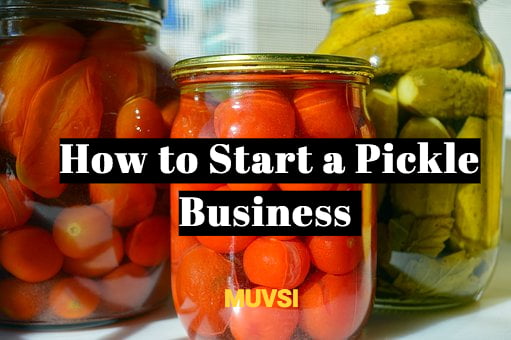
Every Indian household buys pickles and savoury snacks every week — without exception, regardless of income, season, or geography. This is not a trend-driven market. It is a permanent, daily-consumption market worth over ₹25,000 crore annually for pickles alone, growing at 8–10% per year as consumers shift from loose, unbranded products to packaged, branded alternatives.
The opportunity for small manufacturers in 2026 is specifically in regional authenticity — Andhra gongura pickle, Bengali kasundi, Rajasthani ker sangri, Gujarati chundo. Large national brands (Mother’s Recipe, Priya, Lijjat) dominate generic flavours but cannot replicate the taste, spice level, or texture of local specialities. That is your competitive moat.
You can start a home-based pickle unit for ₹50,000–1.5 lakh. A snack food unit (namkeen, chakli, murukku) requires ₹2–5 lakh. Both are FSSAI-compliant businesses with accessible raw materials, proven buyer demand, and the fastest payback period of any food manufacturing business on this list.
This guide covers everything: product selection, investment breakdown, equipment, FSSAI compliance, production process, profit calculation, where to sell in India and internationally, and top packaging and raw material suppliers.
Jump to:
Market opportunity · What to make · Investment breakdown · Equipment guide · Raw materials · Production process · Step-by-step startup · Licenses · Profit calculation · Where to sell · Top suppliers · FAQ
Why Pickle & Snack Food Is One of the Best Businesses to Start
- Permanent daily demand. Pickle is consumed at almost every Indian meal — breakfast with parathas, lunch with dal-rice, dinner with rotis. Savoury snacks are consumed at tea time across all income levels. This is one of the most stable demand curves in the food industry.
- The shift from loose to packaged is a structural opportunity. Most Indian pickle and namkeen is still sold loose or in simple plastic bags without branding or quality control. The shift to properly packaged, FSSAI-certified, branded products is accelerating — driven by urban consumer preference, quick-commerce platforms, and e-commerce reach. This is exactly where small manufacturers can win.
- Quick-commerce is a new high-volume buyer. In 2026, Blinkit, Zepto, and Swiggy Instamart are actively onboarding regional food brands that large distributors do not carry. A Hyderabad gongura pickle or a Kolkata kasundi can now reach Mumbai consumers in 10 minutes — a distribution reach that was impossible 3 years ago.
- PLI scheme supports food processing MSMEs. India’s food processing sector PLI scheme, running from FY 2021-22 to FY 2026-27 with a budget of ₹10,900 crore, specifically includes processed fruits and vegetables and has provisions encouraging small and medium enterprises engaged in innovative and organic product development. Pickle and snack manufacturers who meet the eligibility criteria can access these incentives.
- Export demand is growing. Traditional Indian pickles have a massive market both domestically and internationally — this business can start from home and scale to export levels. The Indian diaspora in the USA, UK, UAE, Canada, and Australia is a willing premium buyer of authentic regional Indian pickles that they cannot find locally.
- Seasonal raw material = year-round production. Raw mango season (March–June) is when you buy in bulk and process large quantities. The finished pickle has a shelf life of 12–24 months — so you produce heavily in season and sell throughout the year. This seasonal leverage is a unique production advantage.
What to Make: Products, Demand, and Regional Opportunities
Pickle (Achaar) varieties
Pickle type | Regional strength | Shelf life | Retail price (500g) | Demand level |
|---|---|---|---|---|
Mango pickle (aam achaar) | All India — especially North & AP | 12–24 months | ₹80 – 180 | ⭐⭐⭐⭐⭐ Highest |
Mixed vegetable pickle | North India, Punjab, Gujarat | 12–18 months | ₹70 – 160 | ⭐⭐⭐⭐ |
Lemon pickle (nimbu achaar) | Gujarat, Rajasthan, Maharashtra | 18–24 months | ₹80 – 180 | ⭐⭐⭐⭐ |
Garlic pickle (lahsun achaar) | Rajasthan, MP, Punjab | 6–12 months | ₹100 – 220 | ⭐⭐⭐⭐ |
Gongura pickle | Andhra Pradesh, Telangana | 3–6 months | ₹90 – 200 | ⭐⭐⭐⭐⭐ (regional) |
Kasundi (mustard pickle/sauce) | West Bengal, Odisha | 3–6 months | ₹100 – 250 | ⭐⭐⭐ (premium niche) |
Ker sangri pickle | Rajasthan | 6–12 months | ₹150 – 350 | ⭐⭐⭐ (premium) |
Amla (gooseberry) pickle | UP, MP, Rajasthan | 12–18 months | ₹80 – 180 | ⭐⭐⭐ |
Snack food varieties
Snack type | Regional strength | Investment (extra) | Demand level |
|---|---|---|---|
Namkeen / mixed savoury snack | All India | ₹1.5 – 3 lakh (fryer) | ⭐⭐⭐⭐⭐ Highest |
Chakli/murukku | Maharashtra, Karnataka, TN, AP | ₹80,000 – 1.5 lakh | ⭐⭐⭐⭐ |
Papad (pappadam) | Gujarat, Rajasthan, AP, TN | ₹50,000 – 1 lakh | ⭐⭐⭐⭐ |
Gujarati farsaan (sev, gathiya) | Gujarat — strong export demand | ₹1.5 – 3 lakh | ⭐⭐⭐⭐ (regional) |
Roasted/baked snacks | Urban health-conscious buyers | ₹1 – 2 lakh | ⭐⭐⭐ (growing fast) |
Mathri / khakhra | North India, Gujarat | ₹50,000 – 1 lakh | ⭐⭐⭐ |
2026 recommendation: Start with your state’s signature pickle — it is your natural differentiation and your most credible origin story. Add one snack product (chakli, papad, or namkeen) from month 3 to increase your product range without adding complexity. Do not try to make 10 pickles and 5 snacks simultaneously — depth beats breadth at the small manufacturer stage.
Investment Breakdown: How Much Does It Cost?
Scale | Total Investment | Daily Capacity | Best For |
|---|---|---|---|
Home-based micro unit | ₹50,000 – 1.5 lakh | 30–80 kg/day | D2C, WhatsApp sales, gifting, local market |
Small commercial unit | ₹2 – 5 lakh | 100–300 kg/day | Local wholesale, ONDC, Amazon, quick-commerce |
Mid-scale unit | ₹8 – 15 lakh | 500 kg – 1 tonne/day | Regional wholesale, institutional, export |
Detailed cost breakdown — small pickle unit (₹2–4 lakh)
Item | Estimated Cost |
|---|---|
Stainless steel mixing vessels (2–3 sizes) | ₹12,000 – 25,000 |
Weighing scale (digital, 30 kg capacity) | ₹3,000 – 6,000 |
Semi-auto jar filling and sealing machine | ₹40,000 – 80,000 |
Induction cooktop/gas burner setup | ₹5,000 – 12,000 |
Food-grade storage drums (HDPE) | ₹8,000 – 20,000 |
Label applicator (semi-auto) | ₹15,000 – 35,000 |
Workspace (300–500 sq ft, 3 months rent) | ₹20,000 – 45,000 |
Initial raw material stock (1 month) | ₹40,000 – 80,000 |
Glass jars + lids (first batch) | ₹20,000 – 45,000 |
Labels, cartons, packaging material | ₹15,000 – 30,000 |
FSSAI + GST + Udyam registration | ₹8,000 – 15,000 |
Branding (logo, label design) | ₹8,000 – 20,000 |
Working capital buffer | ₹30,000 – 60,000 |
Total | ₹2.2 – 4.7 lakh |
Additional investment for snack production
Snack type | Key extra equipment | Additional investment |
|---|---|---|
Namkeen / sev | Commercial deep fryer, sev press, draining trays | ₹1.5 – 3 lakh |
Chakli/murukku | Chakli press/extruder, fryer or oven, cooling trays | ₹80,000 – 1.5 lakh |
Papad | Papad press, drying racks (sun or mechanical) | ₹40,000 – 80,000 |
Khakhra | Khakhra press + rolling machine | ₹60,000 – 1.2 lakh |
PM FME scheme tip: The PM Formalisation of Micro Food Processing Enterprises (PM FME) scheme provides 35% credit-linked subsidy for micro food processing units — specifically for businesses like pickle, papad, and snack manufacturing. Apply through your state’s food processing department or at pmfme.mofpi.gov.in. This can significantly reduce your effective investment.
Use Our Manufacturing Profitability Calculator
Instead of relying on industry averages, calculate your own production cost using our free Manufacturing Profitability Calculator. It estimates manufacturing cost, cost per unit, monthly profit, annual profit, and break-even period based on your own business data.
Equipment Guide: What You Actually Need
For pickle manufacturing
Equipment | Purpose | Price range | Priority |
|---|---|---|---|
SS mixing vessels (50–200 litres) | Mixing vegetables with spices, oil, and salt | ₹8,000 – 25,000 | Essential |
Vegetable washing tank | Cleaning raw vegetables before processing | ₹5,000 – 15,000 | Essential |
Cutting board + commercial knife set | Cutting vegetables to a consistent size | ₹2,000 – 6,000 | Essential |
Jar filling machine | Consistent fill weight — critical for FSSAI compliance on net weight | ₹30,000 – 80,000 | Essential from day 1 |
Jar sealing / capping machine | Airtight sealing — determines shelf life | ₹20,000 – 50,000 | Essential |
Label applicator | Consistent, professional label placement | ₹15,000 – 40,000 | Essential for retail |
Digital weighing scale | Accurate batch weights for recipe consistency and FSSAI net weight compliance | ₹3,000 – 8,000 | Essential |
Food-grade HDPE storage drums | Bulk storage of pickles during maturation | ₹1,500 – 4,000 each | Essential |
Carton sealing tape machine | Sealing dispatch cartons | ₹3,000 – 8,000 | Month 2+ |
Raw Materials: What to Buy and Where to Source
For pickle production
Raw material | Cost (2026 approx.) | Best sourcing | Notes |
|---|---|---|---|
Raw mango (for aam achaar) | ₹20 – 50/kg (seasonal) | Local mandi during the March–June season | Buy in bulk during peak season — store salted for off-season production |
Lemon/lime | ₹25 – 60/kg | Local mandi, Andhra & Rajasthan wholesale | Year-round availability — no seasonal dependency |
Mixed vegetables (carrot, cauliflower, turnip) | ₹15 – 40/kg | Local wholesale vegetable market | Seasonal — buy when fresh and cheap |
Garlic | ₹80 – 160/kg | Madhya Pradesh, Rajasthan Mandi | Peel and store in salt to extend the usable period |
Gongura leaves | ₹20 – 40/kg | Local mandi — AP, Telangana only | Highly perishable — process same day as purchase |
Mustard seeds/mustard oil | ₹55–80/kg seeds; ₹180–240/litre oil | Local wholesale | Core ingredient in most North Indian pickles |
Spices (red chilli, turmeric, fenugreek, fennel) | ₹80 – 200/kg (varies) | Local spice mandi | Buy in bulk — these are shelf-stable for 12+ months |
Salt | ₹8 – 15/kg | Any wholesale grocery supplier | Use food-grade iodised salt for FSSAI compliance |
Vinegar (for water-based pickles) | ₹30 – 60/litre | Food ingredient suppliers | Acetic acid 5–6% concentration for food use |
Packaging materials
Packaging type | Cost | Best for |
|---|---|---|
Glass jars (250g, 500g, 1 kg sizes) | ₹12 – 45 per jar | Premium retail, gifting, export — best visual appeal |
PET jars (food-grade) | ₹6 – 20 per jar | Mass market retail, quick-commerce — lighter, cheaper than glass |
Stand-up pouches (food-grade) | ₹3 – 8 per pouch | Quick-commerce, Meesho, low-cost online — growing format |
PP food containers | ₹4 – 12 per unit | Snack food — chakli, namkeen, papad |
Glass vs PET: Glass jars signal premium quality and command 20–30% higher retail price. PET jars are lighter (cheaper to ship) and have less breakage risk. Start with glass for D2C and premium retail; offer PET for quick-commerce and bulk wholesale where price sensitivity is higher.
The Full Production Process
Pickle production process
Stage | What happens | Time / Notes |
|---|---|---|
1. Raw material inspection | Check vegetables for freshness, ripeness, and absence of mould or damage. Reject any substandard produce — one bad batch ruins the entire mix. | 30 mins per batch |
2. Washing & drying | Wash vegetables thoroughly in clean water. Dry completely — any residual moisture shortens shelf life dramatically and causes mould. | 1–3 hrs drying |
3. Cutting/sizing | Cut vegetables to consistent size pieces. Consistency in cut size ensures even marination and uniform texture in the finished product. | 30–60 mins |
4. Salting (kneading) | Mix cut vegetables with measured salt. For oil-based pickles, allow to rest 24–48 hours for moisture extraction (draws out vegetable water). Drain excess liquid. | 24–48 hrs rest |
5. Spice preparation | Dry roast whole spices if required. Grind to the required coarseness. Measure each spice by weight using your standardised recipe — not by eye. | 30–60 mins |
6. Oil heating (for oil-based pickles) | Heat mustard or sesame oil to smoking point, then cool to 60–70°C before adding to pickle. This kills pathogens and extends shelf life. | 20–30 mins |
7. Mixing | Combine drained vegetables, ground spices, and cooled oil in the SS mixing vessel. Mix thoroughly by hand (wearing food-grade gloves) or with an SS ladle. Taste and adjust seasoning. | 20–30 mins |
8. Maturation/resting | Transfer to food-grade HDPE drums. Cover tightly. Rest for 3–7 days at room temperature for flavours to develop. Stir once daily. Oil-based pickles develop flavour over 2–4 weeks. | 3 days – 4 weeks |
9. Quality check | Check colour, aroma, taste, and texture. Check salt and spice balance. pH test for water-based pickles (should be below 4.6 for safety). Document batch details. | 30 mins |
10. Filling & sealing | Fill into clean, dry jars at the exact net weight. Seal with tamper-evident lids. Apply labels with FSSAI number, batch code, MFG date, and best-before date. | 1–3 hrs per batch |
11. Storage before dispatch | Store sealed jars in a cool, dry, dark area. Do not stack jars directly — use shelf racks. Check for any lid pop (sign of fermentation issue) before dispatch. | Ongoing |
Food safety critical point: The vegetable drying step (Step 2) and oil heating step (Step 6) are your two most important food safety controls. Residual moisture + warm temperature = mould and spoilage. Hot oil treatment kills pathogens that would otherwise proliferate in an oil-based environment. Never skip either step.
Step-by-Step: How to Start Your Pickle & Snack Business
Step 1 — Pick one product and develop your recipe (Week 1–2)
Your recipe is your product’s identity and your competitive moat. Start with your state’s most distinctive pickle — the one your family makes, the one you grew up eating. Make 10–15 test batches in small quantities. Adjust salt, spice, and oil levels. Do a blind taste test with at least 20 people outside your family. Get brutally honest feedback. Do not proceed to commercial production until you have a recipe that consistently makes people say, “This is better than what I buy at the shop.”
Step 2 — Get FSSAI registration (Week 1–3)
Apply for FSSAI Basic Registration (for turnover below ₹12 lakh/year) at foscos.fssai.gov.in. This costs just ₹100/year and is fully online. If you plan to sell across state borders or to institutions from day one, apply for a State License instead (₹3,000–7,500/year). In 2026, FSSAI registration will be available within 7 days for basic and micro food businesses. Do not sell a single jar before this is in hand.
Step 3 — Register Udyam and GST (Week 2–3)
Register on udyamregistration.gov.in for a free MSME status. Apply for GST. Both are free and fully online. With Udyam status, you become eligible for the PM FME scheme (35% credit-linked subsidy on equipment) and the PMEGP scheme (25–35% direct subsidy).
Step 4 — Apply for PM FME scheme subsidy (Week 2–3)
The PM Formalisation of Micro Food Processing Enterprises scheme is specifically designed for pickle, papad, snack, and other micro food processing businesses. It provides 35% credit-linked capital subsidy on project cost up to ₹10 lakh (maximum subsidy ₹3.5 lakh). Apply at pmfme.mofpi.gov.in or through your District Resource Person (DRP) identified by your state food processing department.
Step 5 — Standardise your recipe and document it (Week 3–4)
Before producing commercially, write down your recipe with exact weights for every ingredient — not “add salt to taste” but “add 42g salt per kg of mango.” Standardisation is what allows you to produce 50 identical batches. Without it, every batch tastes different, customers complain, and repeat orders drop. This documentation is also required by FSSAI inspectors.
Step 6 — Design packaging and get labels printed (Week 4–5)
Your FSSAI label must include: product name, net weight, ingredient list, FSSAI license number, manufacturing date, best-before date, batch number, manufacturer name and address, and storage instructions. Beyond compliance, invest in a professionally designed label — it directly determines your retail price ceiling. A pickle in a well-designed label in a glass jar sells for ₹160 where the same recipe in a plain generic jar sells for ₹80.
Step 7 — First production and quality testing (Week 5–7)
Produce your first commercial batch. Allow full maturation time (1–4 weeks for oil-based pickles). Before selling, pH-test every water-based variant (target below 4.6). Taste-test one jar from every batch number. Store one sealed jar from every batch as a reference sample — this is required by FSSAI and helps you investigate any future quality complaint.
Step 8 — Start selling — local first, online second (Week 7+)
Visit local kirana stores, supermarkets, and restaurants with samples. Offer 5–10 jars on consignment to prove sell-through. List on Amazon and ONDC from month 2. Join local WhatsApp business groups and post your product story. Approach quick-commerce platforms (Blinkit local onboarding) from month 3 once you have reviews and a consistent supply.
Licenses and Registrations Required
License / Registration | Where to apply | Cost | Notes |
|---|---|---|---|
FSSAI Basic Registration | foscos.fssai.gov.in | ₹100/year | For turnover below ₹12 lakh/year — mandatory before first sale |
FSSAI State License | foscos.fssai.gov.in | ₹3,000 – 7,500/year | For turnover ₹12 lakh – ₹20 crore, or if selling across states |
Udyam (MSME) Registration | udyamregistration.gov.in | Free | Required for PM FME and PMEGP subsidy access |
GST Registration | gst.gov.in | Free (agent ₹1,000–2,000) | GST on most pickles and namkeen: 12%. Confirm HSN with CA. |
Trade License | Local municipal corporation | ₹500 – 2,000/year | Required for commercial premises |
PM FME Scheme | pmfme.mofpi.gov.in | Free to apply | 35% credit-linked subsidy — apply before buying equipment |
IEC + APEDA (for export) | dgft.gov.in / apeda.gov.in | ₹500 + ₹5,000 | Required if selling to overseas buyers |
FSSAI label compliance for pickles and snacks: The Food Safety and Standards (Labelling and Display) Regulations 2020 are strictly enforced in 2026. Key requirements: ingredient list in descending order of weight, allergen declaration (if it contains peanuts, mustard, etc.), vegetarian/non-vegetarian symbol (green/red dot), and nutritional information per 100g. Non-compliance leads to a product recall and a fine.
Profit Calculation: What Can You Actually Earn?
Scenario A — Home-based mango pickle, D2C + local retail (80 kg/day)
Item | Monthly figures |
|---|---|
Production (25 days × 80 kg/day) | 2,000 kg finished pickle |
Blended selling price (D2C ₹220/500g = ₹440/kg + wholesale ₹160/kg, 50/50) | ~₹300/kg avg |
Gross revenue | ₹6,00,000 |
Raw mango / vegetables (₹35/kg × ~1.2 kg per kg finished) | ₹84,000 |
Mustard oil (₹200/litre × ~120 litres) | ₹24,000 |
Spices, salt, vinegar (₹18/kg finished) | ₹36,000 |
Packaging — glass jars, lids, labels (₹35/500g jar avg) | ₹1,40,000 |
Labour (1–2 helpers) | ₹20,000 |
Electricity, rent, shipping, misc | ₹22,000 |
Total operating cost | ₹3,26,000 |
Monthly net profit | ₹2,74,000 (~46%) |
Scenario B — Chakli + papad snack unit, wholesale (150 kg/day)
Item | Monthly figures |
|---|---|
Production (25 days × 150 kg/day) | 3,750 kg snacks |
Average selling price (wholesale) | ₹220/kg |
Gross revenue | ₹8,25,000 |
Rice/urad flour, besan, spices (₹75/kg) | ₹2,81,250 |
Oil for frying (₹130/litre × ~90 litres) | ₹11,700 |
Packaging (PP containers, labels) | ₹75,000 |
Labour (3 workers) | ₹45,000 |
Electricity (fryer is high-power), rent, misc | ₹35,000 |
Total operating cost | ₹5,47,950 |
Monthly net profit | ₹2,77,050 (~34%) |
Break-even: A home-based pickle unit (₹1.5–2 lakh investment) typically breaks even in 3–5 months. A small commercial unit (₹4–5 lakh) recovers investment in 8–14 months.
Seasonal production advantage: Raw mango season (March–June) lets you buy raw material at ₹15–30/kg. Off-season mango prices rise to ₹50–80/kg. If you process 5,000 kg during the season, salt-preserve, and sell throughout the year at premium prices, your effective raw material cost is 40–60% lower than competitors who buy year-round.
Where to Sell Your Pickles and Snacks
Local channels (start immediately)
- Kirana stores and supermarkets — Your most natural starting buyers. Approach 20–30 local stores with samples and a price list. Offer consignment for the first 2 weeks. Once they sell through, convert to cash-on-delivery orders. A kirana store owner who sells 10 jars in a week becomes a regular monthly buyer.
- Restaurants and cloud kitchens — Restaurants serve pickle as a condiment and buy 5–20 kg per month. One restaurant buyer = ₹1,000–4,000/month in recurring revenue. Target restaurants that serve regional cuisine — they care about authentic taste more than brand name.
- Tiffin services and caterers — Caterers cooking for 100+ people need pickles in bulk. Monthly orders, consistent repeat business.
- Local sabzi mandis and haats — Weekly markets in semi-urban areas are excellent channels for regional pickles. Low marketing cost, direct consumer interaction, and immediate cash sales.
Online channels (month 2+)
- Amazon and Flipkart — Pickle and namkeen are top-performing categories on Indian e-commerce. Good product photography + FSSAI certification visible + regional story = consistent sales. Expect 3–4 months to build rating momentum.
- ONDC — Open Network for Digital Commerce is India’s government-backed open e-commerce layer. Lower commissions than Amazon, growing rapidly in 2026 for regional food brands.
- Meesho — Excellent for reaching tier-2 and tier-3 city buyers at value price points. Namkeen and regional snacks perform particularly well.
- Quick-commerce (Blinkit, Zepto, Swiggy Instamart) — These platforms are actively onboarding regional food brands in 2026. Apply through their seller/brand portals. Once listed, orders are highly automated and volumes grow quickly without additional marketing effort.
- WhatsApp Business — Share your product story, process videos, and seasonal specials in local groups and with past buyers. The most cost-effective D2C channel for food products with a story.
Export and premium channels (month 4+)
- Diaspora export (USA, UK, UAE, Canada, Australia) — Indian diaspora communities actively seek authentic regional pickles that they cannot find locally or in Indian grocery stores. Traditional Indian pickles have a massive international market, and this business can scale from home to export levels. Register with APEDA and list on IndiaMART as an exporter.
- Premium grocery stores (Nature’s Basket, Foodhall) — These chains actively list artisan and regional food brands. Approach with premium packaging, FSSAI certification, and a compelling regional origin story.
- Gift sets and corporate gifting — A curated set of 3 regional pickles in a wooden or kraft box sells for ₹500–1,200 as a corporate or Diwali gift. Approach HR departments and gifting companies 6–8 weeks before Diwali.
Top Packaging and Raw Material Suppliers
Glass jar suppliers
Supplier / Source | Location | MOQ |
|---|---|---|
Firozabad glass market | Firozabad, Uttar Pradesh | 500–1,000 jars per size |
HNG (Hindustan National Glass) | Pan-India — through distributors | 200+ jars |
Local glass bottle dealers | All major cities | 100–500 jars |
IndiaMART glass jar suppliers | Pan-India | 50–500 jars |
Spice and raw material suppliers
Material | Best sourcing |
|---|---|
Mustard seeds and mustard oil | Rajasthan, Haryana mandis; local wholesale |
Whole spices (chilli, turmeric, fenugreek) | Khari Baoli (Delhi), local spice mandi |
Raw mango (seasonal) | Local APMC mandi March–June; Uttar Pradesh, AP, Maharashtra |
Vinegar / acetic acid (food grade) | Chemical suppliers, food ingredient dealers in Mumbai, Chennai |
Food-grade salt | Any wholesale grocery supplier — buy Tata or Cargill food-grade |
Snack raw material suppliers
Material | Best sourcing | Cost (2026) |
|---|---|---|
Rice flour/urad flour | Local flour mill or wholesale grocery | ₹30 – 55/kg |
Besan (chickpea flour) | Local wholesale; Rajasthan suppliers | ₹45 – 70/kg |
Groundnut/palm oil (for frying) | Local oil wholesaler | ₹120 – 160/litre |
Edible starch | Food ingredient dealers | ₹40 – 70/kg |
Common Mistakes to Avoid
- Not drying vegetables completely before mixing. Moisture is the enemy of pickle shelf life. Any residual water in your cut vegetables will cause mould within weeks, regardless of how much oil or salt you add. Sun-dry or wipe dry every batch — do not rush this step.
- Inconsistent recipes. “A handful of this, some of that” is how home pickles are made — not commercial products. Measure every ingredient by weight for every batch. One inconsistent batch that reaches a retailer damages your brand reputation permanently in their eyes.
- Selling before FSSAI registration. Food products are among the most strictly enforced categories by food safety inspectors. Selling without an FSSAI license — even from home, even to friends — is illegal and can result in fines and product destruction. Get the registration before the first sale.
- Wrong GST rate. GST on pickles and namkeen varies by product type and HSN code. Some are 5%, some are 12%. An incorrect GST rate on your invoice creates compliance problems later. Confirm your exact HSN codes with a CA before your first sale.
- Ignoring shelf life testing. Do not assume your pickle lasts 12 months because similar products on the market do. Test your specific recipe — seal a jar, store at room temperature, and open at 1-month, 3-month, and 6-month intervals. Check colour, smell, and mould. Your label’s best-before date must be based on actual testing, not assumption.
- Competing on price with national brands. You cannot out-price Mother’s Recipe or Priya. You can out-taste them on regional speciality, out-authenticity them on local ingredients, and out-story them on a regional heritage narrative. Compete on differentiation, not price.
Read: Top Manufacturing Business Ideas in India
Frequently Asked Questions
How much investment is needed to start a pickle manufacturing business in India?
A home-based pickle unit can be started with ₹50,000–1.5 lakh. A small commercial unit with mixing equipment, filling machines, and proper packaging costs ₹2–5 lakh. A mid-scale unit producing 500 kg per day for wholesale and export requires ₹8–15 lakh.
What license is required for pickle and snack food manufacturing in India?
FSSAI license is mandatory for all food businesses including pickle and snack manufacturing. You need Basic Registration (Form A) for turnover below ₹12 lakh per year, or a State License for turnover between ₹12 lakh and ₹20 crore. GST registration and Udyam (MSME) registration are also required.
What is the profit margin in pickle manufacturing?
Profit margins in pickle manufacturing range from 30–45% for standard varieties sold wholesale. Premium regional and organic pickles sold D2C command margins of 40–55%. Raw material (vegetables, spices, oil) is inexpensive, and the selling price of branded packaged pickle is 3–5x production cost.
Can I start a pickle business from home in India?
Yes. FSSAI allows home-based food businesses under its Basic Registration (Form A) for turnover below ₹12 lakh per year. You need a clean, pest-free kitchen workspace, food-grade containers, and proper airtight packaging. Many successful regional pickle brands in India started from home kitchens.
Which pickle or snack has the highest demand in India?
Mango pickle (aam ka achaar) has the highest overall demand across India. In snacks, namkeen, chakli, murukku, and regional specialities like Andhra spicy snacks and Gujarati farsaan have the strongest repeat-purchase patterns — and the biggest opportunity for regional manufacturers to differentiate from national brands.
Conclusion: Is Pickle & Snack Food Manufacturing Worth Starting in 2026?
Yes — especially if you have a regional speciality that no national brand can replicate authentically. The pickle and snack food market in India is large, permanent, and shifting rapidly from loose and unbranded to packaged and branded. That shift is your opportunity.
The PM FME scheme provides 35% subsidy on equipment. The investment is among the lowest of any food manufacturing business. The raw materials are abundant, seasonal leverage is real, and the export market for authentic Indian pickles is growing year on year.
Start with one recipe. Get your FSSAI registration. Standardise obsessively. Build your regional story. The market will reward authenticity over price every time.

Rupak Chakrabarty is the Founder and Lead Business Coach at MUVSI. With over two decades of experience in entrepreneurship, marketing, and business consulting, he helps aspiring entrepreneurs and MSMEs build profitable, market-driven businesses. His expertise includes business planning, B2B marketing, customer acquisition, and digital growth strategies.